
Warming Spiced Lentil Soup for Cold Days
Why the crumble deserves a place in every British kitchen
A fruit crumble is the most forgiving pudding we make. It asks for no pastry skills, no precise timing and no special tin — just fruit, flour, butter, oats and a hot oven. It also happens to be the best possible use for a glut, whether that is a carrier bag of Bramleys from a neighbour's tree or a punnet of raspberries going soft on the windowsill.
This version leans on oats for a rougher, more biscuity topping than a plain flour crumble. The fruit changes with the calendar, but the method stays the same, which is exactly why it becomes a habit rather than a recipe.
Choosing your fruit through the year
Use around 1kg of prepared fruit for a 1.5–2 litre ovenproof dish. If you are mixing, keep a soft fruit and a firm fruit together so the texture has some interest.
- Late winter and early spring: forced rhubarb, which needs very little cooking and a generous hand with sugar.
- Early summer: gooseberries, strawberries and the first raspberries — tart fruit makes a better crumble than a sweet one.
- High summer: blackcurrants, loganberries, cherries and apricots.
- Late summer to early autumn: Victoria plums, damsons, greengages and the first Discovery apples.
- Autumn and winter: Bramley or Cox apples, Conference and Comice pears, quince, and hedgerow blackberries right through to October.
Bramleys break down into a fluffy purée; eaters like Cox or Egremont Russet hold their shape. A mix of one cooking apple to two eaters gives you both. Pears need a squeeze of lemon, and plums benefit from a tablespoon of demerara and a pinch of ground cinnamon or a few crushed cardamom pods.
The buttery oat topping
Cold butter is the whole trick here. Warm butter makes a paste; cold butter rubbed into flour makes rubble, and rubble is what gives you a crisp top.
- 175g plain flour
- 100g cold unsalted butter, cut into cubes
- 75g rolled oats — not instant porridge oats, which turn to dust
- 75g demerara sugar, plus a little extra for the top
- A good pinch of fine salt
- Optional: 25g flaked almonds, a handful of chopped hazelnuts, or a teaspoon of ground ginger
Rub the butter into the flour with your fingertips until it looks like coarse breadcrumbs, then stir in the oats, sugar and salt. Stop while there are still visible flecks of butter. If you prefer, pulse it in a food processor but keep it short — you want crumbs, not a dough.
Assembling and baking
Butter the dish properly, right into the corners. Toss the fruit with sugar to taste — 2 tablespoons for sweet berries, up to 100g for rhubarb or damsons. For very juicy fruit such as plums or frozen berries, stir in a tablespoon of cornflour so the juices thicken into a sauce rather than a puddle.
Spread the fruit in an even layer, no more than 4cm deep. Pile the crumble on top loosely, without pressing it down, and leave a few small gaps for steam to escape. Scatter over a final spoonful of demerara for crunch.
Bake at 200°C conventional, 180°C fan, gas mark 6 for 35–40 minutes, until the top is deep gold and the juices are bubbling up around the edges. If it is browning too fast, drop the temperature to 170°C and give it another 10 minutes. It is done when you can see the fruit syrup seething through the gaps. Rest for 10 minutes before serving — molten fruit is a genuine hazard. Custard, clotted cream or vanilla ice cream, according to your household's politics.
Growing crumble fruit in a small space
You do not need an orchard. A sunny patio, a balcony and a couple of deep pots will see you through.
- Strawberries: ideal in troughs, hanging baskets or even a decent window box. Eight to ten plants will give you enough for a small crumble every week in June.
- Blueberries: one plant in a 40cm pot of ericaceous compost, watered with rainwater. Two varieties for better pollination.
- Raspberries: autumn-fruiting types such as 'Autumn Bliss' crop on this year's canes, so they suit a large pot and need no complicated pruning — just cut everything down in February.
- Rhubarb: a single crown in a 50 litre pot gives you sticks for years. Feed it well and never harvest in its first year.
- Apples and pears: look for dwarfing rootstocks and consider a stepover or cordon trained along a wall or fence.
Keep pots mulched with compost, water consistently through July and August, and net soft fruit against the birds before you are tempted to share.
Preserving the glut for winter crumbles
When the fruit arrives faster than you can bake, deal with it on the day you pick it.
- Freeze: spread berries and stoned plums on a tray, freeze flat, then bag them. They can go into a crumble from frozen — add five minutes to the baking time.
- Stew and freeze: cook apples and pears gently with a little sugar and lemon, cool, and freeze in tubs sized for one crumble.
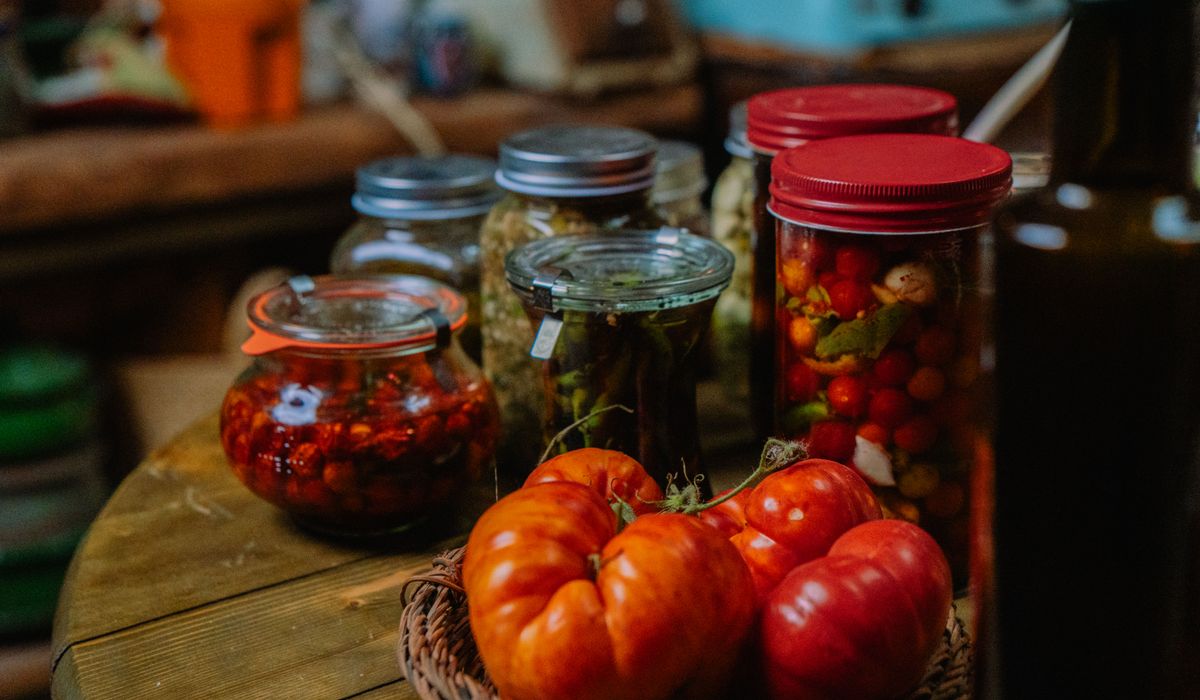
- Bottle: pack halved fruit into sterilised jars, cover with light syrup, and process in a water bath. Home-bottled plums in January are a small triumph.
- Jams and chutneys: damson, blackberry and apple, or spiced pear chutney for cheese and cold meats.
- Dry: apple rings in a low oven at around 60°C for several hours, or fruit leather from puréed berries spread thinly on baking parchment.
Label everything with the date and the variety. Next winter, when the rain is horizontal and the supermarket fruit tastes of nothing, you will be very glad you did.
LEAVE A COMMENT