
A Beginner's Sourdough Starter Troubleshooting Guide
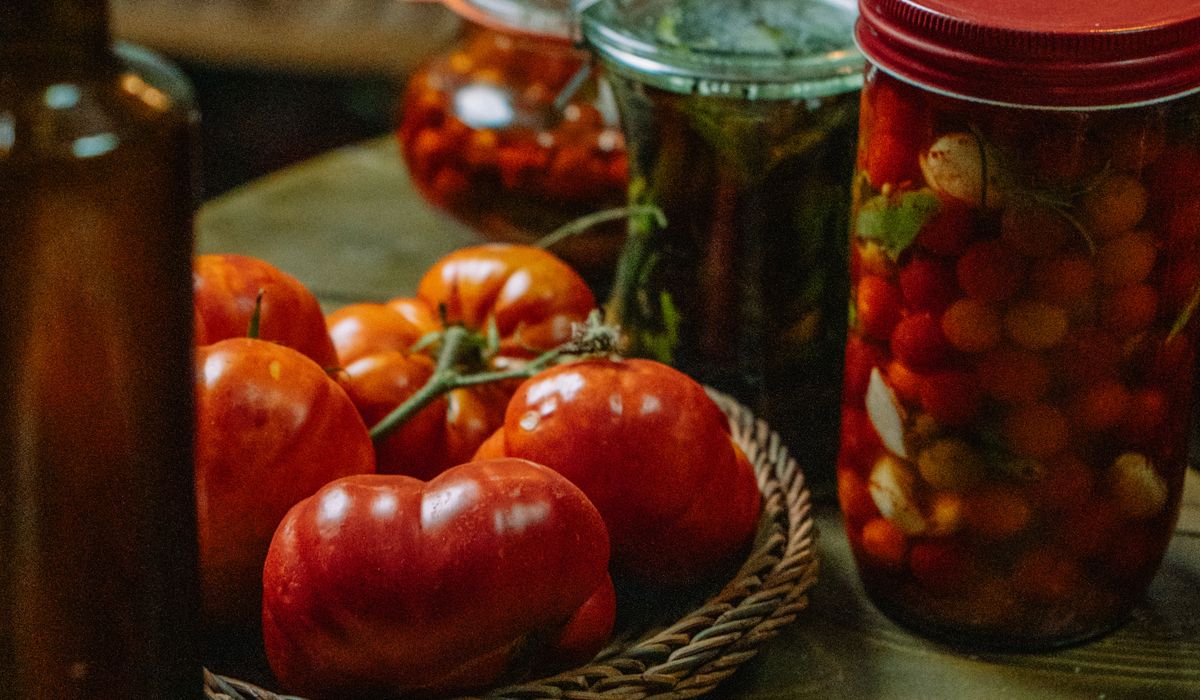
There is a particular pleasure in stepping onto a balcony with a mug of tea and picking your own radishes. No allotment waiting list, no back garden required — just a few pots, a bit of planning, and a willingness to learn what your particular patch of outdoor space can do. Here is how to build a productive balcony vegetable patch from scratch, even if you have never grown anything before.
Why a Balcony Patch Works So Well
Balconies have genuine advantages. They are usually warmer than ground level, the slugs and rabbits rarely find them, and you can reach everything without bending. The trade-off is that space is limited and conditions can be fierce — sun-baked walls, drying winds, and a very finite amount of soil.
Work with those constraints rather than against them. Treat the balcony as a series of small, intensely managed beds, and choose crops that crop hard in a short time. You will harvest more from six well-chosen pots than from a scruffy half-filled grow bag.
Read Your Light Before You Buy a Single Pot
Sunlight drives everything. Before spending a penny, spend a sunny day watching your balcony.
- South-facing: six hours or more of direct sun. Nearly everything works, including tomatoes, peppers and cucumbers, but you must water daily in summer.
- East or west-facing: roughly four to five hours. Ideal for salad leaves, radishes, herbs, chard, peas and dwarf beans.
- North-facing: under three hours of direct light. Stick to leaf crops — lettuce, spinach, rocket, parsley and mint — and accept that fruiting crops will sulk.
Note where the sun sits at midday and where the shadow of the building falls. Also note the wind: a balcony on the eighth floor can be a wind tunnel, and tall plants will snap. A simple net screen or a row of tough herbs along the railing helps.
Pots, Depth and Drainage: The Bones of the Plot
Depth matters more than width. Shallow, wide bowls dry out fast and leave roots nowhere to go.
- Minimum 30cm deep for salad, herbs and radishes.
- 35–45cm deep for dwarf beans, peas, chard and carrots.
- 45cm or more for tomatoes, courgettes and anything fruiting heavily.
Always use saucers. They hold the water that would otherwise run straight off the balcony, and they let a plant drink back what it needs during a hot afternoon. Empty them after heavy rain so roots do not sit in cold, stagnant water.
Use a peat-free multipurpose compost with a handful of perlite for drainage, or a loam-based compost for heavier, hungry crops. Compost is heavy when wet, so check your balcony's weight limits and cluster pots over load-bearing points. Raise pots on feet or bricks so drainage holes never block.
Compact Varieties That Earn Their Space
Seed catalogues are full of sprawling giants. On a balcony, look for the words dwarf, compact, patio or container.
- Beans: 'Safari', 'Purple Tepee' and 'Speedy' stay bushy and need no staking.
- Broad beans: 'The Sutton' grows knee-high and crops generously.
- Peas: 'Tom Thumb' and 'Half Pint' reach around 25cm.
- Tomatoes: 'Tumbling Tom', 'Red Alert' and 'Mountain Magic' for hanging or upright pots.
- Chard: 'Bright Lights' looks lovely and keeps cropping for months.
- Herbs: basil, parsley, chives, thyme and mint. Keep mint in its own pot — it bullies everything else.
Buy seed rather than seedlings where you can. It costs less, gives you far more choice, and lets you sow little and often.
Three Easy Wins to Sow This Weekend
If you want confidence fast, start with these.
- Cut-and-come-again salad. Fill a 30cm pot with compost, scatter seed thinly, cover lightly and water. Thin to about 3cm apart and start cutting outer leaves at four to five weeks. Sow a new pot every fortnight for a continuous supply.
- Radishes. 'Cherry Belle' or 'French Breakfast' are ready in as little as four weeks. Sow direct, keep them moist, and pull them young before they turn woody and hot.
- Dwarf beans. Sow three or four seeds per 35cm pot in late May or June, once nights are mild. They crop in ten to twelve weeks and keep producing if you pick regularly.
Sow in succession — a small amount every two to three weeks — rather than filling every pot at once. You will eat far better for it.
Keeping It Going: Watering, Feeding and Succession
Balcony pots dry out quickly, especially against a warm wall. In high summer, check morning and evening and water until it runs into the saucer. A shallow mulch of compost or gravel on the surface slows evaporation.
Multipurpose compost feeds for about six weeks. After that, use a liquid feed every week or two — a balanced one for leaves, and a high-potash tomato feed once fruiting crops begin to flower.
Finally, keep the patch moving. As soon as a pot finishes, refresh the top few centimetres of compost and sow again. A balcony that is never empty is a balcony that keeps feeding you.
LEAVE A COMMENT